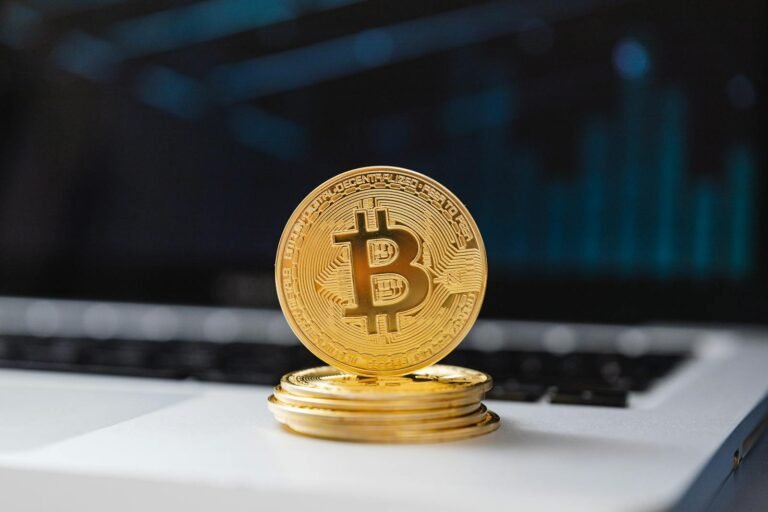
Uncovering the Distinct Realms – Difference Between Bitcoin and Altcoins
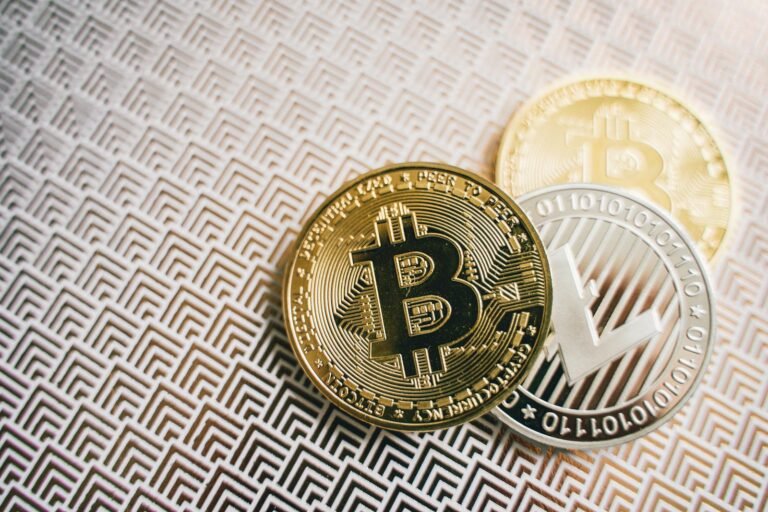
The difference between Bitcoin and altcoins is a vital topic for both seasoned investors and curious newcomers in the realm of cryptocurrency. While Bitcoin has established itself as the pioneering cryptocurrency, various altcoins have emerged, diversifying the digital currency landscape. In this blog post, we will delve into the nuances that set Bitcoin apart from altcoins, analyze their unique functionalities, and explore the future of digital currencies.
Introduction: Demystifying Bitcoin and Altcoins
The rise of cryptocurrencies has revolutionized finance, enabling a decentralized system that significantly alters how value is transferred globally. At the forefront of this movement is Bitcoin, the first cryptocurrency that introduced the concept of blockchain technology. However, following Bitcoin’s success, a plethora of alternative cryptocurrencies—commonly referred to as “altcoins”—have surfaced, each with its unique features and purposes.
Understanding the difference between Bitcoin and altcoins is essential to grasp the broader impact of cryptocurrencies on the financial landscape. While Bitcoin often symbolizes the entire cryptocurrency space, altcoins represent a diverse range of projects that cater to specific needs, offering innovative functionalities and varied investment opportunities.
This exploration will not only clarify how Bitcoin and altcoins differentiate themselves but also assess their respective roles in the evolving landscape of digital currencies.
Bitcoin’s Dominance: Exploring the First Cryptocurrency
Bitcoin, created in 2009 by the enigmatic Satoshi Nakamoto, was the first successful attempt at a decentralized digital currency. Its design and functionality have set the foundation for the myriad of cryptocurrencies that followed.
The Unique Genesis of Bitcoin
Bitcoin’s inception offers insights into its enduring significance. Unlike traditional currencies issued by central banks, Bitcoin operates on a decentralized ledger known as the blockchain.
- Decentralization: The core principle of Bitcoin is decentralization, allowing it to function without a single governing entity. Transactions are verified by network participants rather than a central authority.
- Finite Supply: Another pivotal aspect of Bitcoin’s uniqueness is that it has a capped supply of 21 million coins. This scarcity creates a value proposition similar to precious metals such as gold.
- Mining Incentives: The process through which new bitcoins are created—known as mining—requires extensive computational power. Miners are rewarded with newly minted bitcoins and transaction fees, ensuring network security.
This foundational technology has allowed Bitcoin to maintain a position of dominance in the cryptocurrency market. Its early entry and continuous innovation keep it in the limelight, making it an object of fascination and investment for many.
Bitcoin’s Role as Digital Gold
Bitcoin is often referred to as “digital gold,” a portrayal that emphasizes its perceived value and potential to act as a hedge against inflation.
- Store of Value: Much like gold, Bitcoin has emerged as a preferred asset during economic uncertainty. Its limited supply and decentralized nature contribute to its reputation as a robust store of value.
- Adoption by Institutions: The legitimization of Bitcoin through institutional adoption, with firms like MicroStrategy and Tesla adding Bitcoin to their balance sheets, reinforces its status akin to traditional assets like gold.
- Cultural Implications: The cultural narrative surrounding Bitcoin—its association with freedom from government control and financial censorship—plays an essential role in enhancing its appeal.
These facets contribute to Bitcoin’s ongoing narrative as a revolutionary financial tool, ensuring its status remains central in conversations about cryptocurrencies.
Bitcoin’s Market Position
Bitcoin’s market capitalization often exceeds that of all other cryptocurrencies combined, making it the linchpin of the cryptocurrency market.
- Influencing Market Trends: Bitcoin’s price movements frequently dictate the market trend for altcoins. When Bitcoin experiences a surge or decline, many altcoins tend to follow suit, underscoring its influence.
- Liquidity Advantages: Bitcoin’s dominance also stems from its liquidity, offering the ability for rapid trades. This characteristic attracts both retail and institutional investors, resulting in higher trading volumes compared to altcoins.
- Trust and Stability: Despite its volatility, Bitcoin remains the cryptocurrency with the highest trust level. The concept of being first-to-market offers an implicit reliability that appeals to investors.
In summary, Bitcoin’s historical significance, market position, and attribute as a digital asset all contribute to its unique standing in the world of cryptocurrencies.
Altcoin Diversity: A Spectrum of Functionality and Innovation
Altcoins encompass a vast array of cryptocurrencies that aim to improve upon or innovate beyond Bitcoin. The term “altcoin” broadly includes anything other than Bitcoin, leading to a diverse ecosystem that presents various opportunities and challenges.
Understanding Altcoins: Categories and Types
While Bitcoin keeps its position as a digital currency, altcoins can be categorized into several groups, each serving different purposes and functionalities.
- Utility Tokens: These altcoins are designed to provide access to a service or product within a specific platform. An example includes Ether (ETH), which powers the Ethereum network and facilitates smart contracts.
- Stablecoins: Stablecoins aim to maintain price stability through mechanisms tied to fiat currencies or assets. For instance, Tether (USDT) is pegged to the US dollar, offering a refuge from cryptocurrency volatility.
- Governance Tokens: These tokens provide holders with voting rights on protocol changes or updates in decentralized projects, exemplified by tokens like Compound (COMP) that enable community-driven governance.
- Privacy Coins: Altcoins such as Monero (XMR) and Zcash (ZEC) focus primarily on enhancing transaction privacy and anonymity, catering to users who prioritize confidentiality in their transactions.
Each category of altcoins plays a specific role in the cryptocurrency ecosystem, contributing to the medium’s overall diversity and functionality.
Innovations Fueling the Altcoin Surge
Innovation is a key driver behind the proliferation of altcoins, with many projects seeking to solve problems that Bitcoin cannot address.
- Smart Contracts: One of Ethereum’s groundbreaking features is its ability to facilitate self-executing contracts. This capability allows developers to create decentralized applications (dApps) and has given rise to the booming decentralized finance (DeFi) sector.
- Interoperability: Projects like Polkadot and Cosmos are designed to facilitate communication between various blockchains, promoting a more interconnected cryptocurrency ecosystem.
- Decentralized Finance (DeFi): DeFi presents a staggering innovation, enabling users to lend, borrow, and trade without intermediaries. Platforms like Uniswap and Aave allow users to participate in financial activities without relying on traditional entities.
These innovations enhance the capabilities of altcoins, presenting opportunities for investment and value creation that go beyond Bitcoin’s original vision.
The Risks and Limitations of Altcoins
Despite their advantages, altcoins also carry distinct risks compared to Bitcoin.
- Market Volatility: Altcoins, by nature, are often more susceptible to price fluctuations. The lack of liquidity and investor interest can lead to exponential price swings.
- Regulatory Concerns: Many altcoins may fall under regulatory scrutiny due to their innovative structures. Projects that raise funds through Initial Coin Offerings (ICOs), for instance, can sometimes find themselves in legal trouble.
- Technological Viability: The varying stages of development in altcoin projects mean that not all will succeed. Factors such as project team experience, community support, and functionality will determine a project’s long-term viability.
Understanding these risks helps investors navigate the altcoin market while broadening their perspectives on opportunities that extend beyond Bitcoin.
Technological Contrasts: Key Differences in Blockchain Structure and Consensus Mechanisms
The technological underpinnings of Bitcoin and altcoins reveal fundamental differences that can influence their effectiveness, scalability, and overall adoption.
Blockchain Structure
The architecture of blockchain plays a pivotal role in how a cryptocurrency operates.
- Bitcoin’s Blockchain: The Bitcoin network utilizes a single blockchain for transactions and a public ledger that records all Bitcoin transactions. This structure prioritizes security and reliability but may limit scalability.
- Altcoin Variability: Many altcoins utilize alternative blockchain structures designed for specific use cases, including:
- Forks of Bitcoin: Some altcoins are derived from Bitcoin’s code, such as Bitcoin Cash, which was created to provide larger block sizes and facilitate more transactions per second.
- Layered Solutions: Protocols like the Lightning Network aim to address Bitcoin’s scalability challenges by enabling off-chain transactions that can reduce congestion on the main chain.
- Unique Architectures: Other cryptocurrencies, like Ethereum’s EVM (Ethereum Virtual Machine), are designed to execute complex scripts and allow for programmability, a feature that Bitcoin lacks.
The differences in blockchain structure establish the groundwork for each cryptocurrency’s unique functionalities and use cases.
Consensus Mechanisms
The method by which transactions are verified and added to the blockchain—known as the consensus mechanism—varies between Bitcoin and altcoins.
- Bitcoin’s Proof of Work: Bitcoin employs a proof-of-work (PoW) algorithm, which requires miners to compete to solve complex mathematical problems. This process is energy-intensive but ensures a secure and tamper-proof network.
- Alternative Consensus Mechanisms: Various altcoins have adopted different consensus methods, including:
- Proof of Stake (PoS): In PoS systems, validators hold and stake their coins to propose new blocks. This method is considered more energy-efficient than PoW. Examples include Cardano and Tezos.
- Delegated Proof of Stake (DPoS): DPoS allows a small number of validators to confirm transactions based on delegated voting by token holders. This model enhances efficiency but raises concerns about centralization.
- Other Mechanisms: Some altcoins focus on unique consensus approaches such as Proof of Authority (PoA) or Practical Byzantine Fault Tolerance (PBFT) that enable high throughput and low latency transactions.
The differences in consensus mechanisms highlight the unique priorities of various projects, whether that be energy efficiency, speed, or security.
Scalability Challenges
Scalability remains a significant hurdle facing both Bitcoin and altcoins.
- Bitcoin’s Scalability Issues: The capped block size and time interval between blocks lead to congestion during peak periods. The average transaction confirmation time can slow significantly during high demand.
- Altcoin Innovations in Scalability: Several altcoin projects are tackling scalability using different approaches, including:
- Sidechains: Projects like Liquid Network aim to alleviate congestion on Bitcoin’s main chain by utilizing sidechains designed for faster transactions.
- Sharding: Sharding divides the blockchain into smaller, more manageable pieces, significantly increasing transaction throughput. Ethereum 2.0 aims to implement this technology.
These technological contrasts not only dictate the functionalities of cryptocurrencies but also their prospective future developments and adoption.
Market Dynamics: Comparing Bitcoin and Altcoin Volatility and Adoption
Market dynamics heavily influence the performance and perception of Bitcoin and altcoins, especially regarding their volatility and overall adoption rates.
Understanding Volatility in Crypto Markets
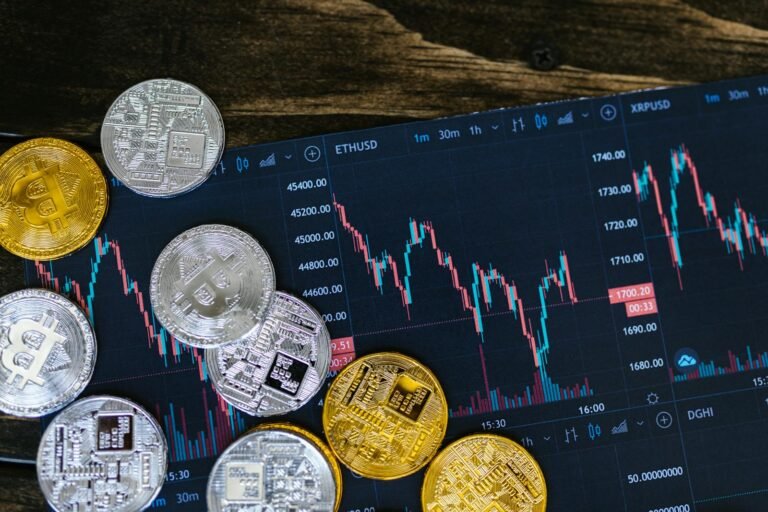
Cryptocurrencies, including both Bitcoin and altcoins, are notorious for their volatility compared to traditional investments.
- Bitcoin’s Price Dynamics: Bitcoin has historically experienced extreme price fluctuations, often influenced by external factors such as regulatory news, technological advancements, and market sentiment. Its overall volatility may also be tempered by its market dominance.
- Factors Influencing Altcoin Volatility: Altcoins, generally considered speculative investments, exhibit even greater price volatility due to:
- Lower Market Capitalization: Many altcoins possess smaller market caps than Bitcoin, leading to more pronounced price swings during buying or selling pressure.
- Market Manipulation: Altcoins are frequently targets of manipulation. “Pump and dump” tactics can inflate prices artificially before a sharp decline.
- Market Sentiment and News: Investors often react strongly to news regarding the cryptocurrency space. Whether it is regulatory developments, technical advancements, or partnership announcements, such events can swiftly shift market dynamics.
Being aware of the volatility in cryptocurrency markets helps investors formulate strategies and manage risks effectively.
Adoption Rates: Bitcoin’s Lead Over Altcoins
While Bitcoin has established itself as a household name in cryptocurrency, altcoins are catching up in terms of adoption.
- Growing Institutional Interest in Bitcoin: Bitcoin’s resurgence has ushered in significant institutional interest. Companies recognizing its potential as a reserve asset contribute to institutional adoption and drive demand.
- Emergence of Altcoin Projects: Some altcoins are gaining traction due to innovative use cases. Here are a few notable projects that are pushing the boundaries on adoption:
- Ethereum and Smart Contracts: Ethereum’s dApps have attracted substantial attention, leading to an increase in adoption for its native token, ETH.
- NFTs on Altcoin Networks: The rise of Non-Fungible Tokens (NFTs) has showcased various altcoin networks, elevating their adoption and allowing for diverse applications.
- Payment Solutions and Merchant Acceptance: A few altcoins focus specifically on facilitating payments and transactions, presenting opportunities for broader acceptance among merchants.
The evolution of adoption rates underscores the need to assess how specific altcoins are gaining recognition and the implications for the overall market.
The Future Landscape: Considering Bitcoin and Altcoin Evolution
The future of Bitcoin and altcoins remains a hot topic as the cryptocurrency landscape evolves.
- Technological Adaptation: As both Bitcoin and altcoins work to address scalability and security challenges, technological advancements will play a crucial role in determining their future.
- Regulatory Hurdles: The impact of regulations will undoubtedly shape the future adoption of cryptocurrencies, with calls for clearer guidelines influencing market dynamics.
- Market Competition: Bitcoin’s dominance is challenged by the growing diversity of altcoins, which may push Bitcoin’s effectiveness beyond its original purpose as a digital currency.
Together, these market dynamics create a complex and ever-changing landscape for cryptocurrencies, underscoring the importance of vigilance when navigating investments.
Investment Considerations: Navigating the Risks and Rewards of Bitcoin and Altcoins
Understanding the difference between Bitcoin and altcoins is key for prospective buyers looking to navigate the risks and rewards inherent in these investments.
Assessing Risk Factors
Investing in cryptocurrencies comes with various inherent risks worth considering.
- Market Fluctuations: The cryptocurrency market is notorious for its volatility, and both Bitcoin and altcoins can experience dramatic price changes within short periods.
- Project Viability: Not all altcoin projects will succeed. Investors should research the fundamentals and the technology backing these projects, assessing:
- Team expertise and track record
- Community involvement and engagement
- Use case and functionality
- Regulatory Risks: Changes in regulations can have significant impacts on the cryptocurrency landscape. Compliance with varying laws across jurisdictions remains a challenge for many projects.
Understanding these risks allows investors to make more informed decisions when selecting between Bitcoin and altcoins.
Evaluating Potential Rewards
Despite the risks, both Bitcoin and altcoins offer noteworthy potential rewards.
- Asset Appreciation: Many investors view cryptocurrencies as a means of wealth preservation and appreciation over time. Bitcoin, specifically, has shown impressive returns since its inception.
- Diversification of Portfolio: Altcoins present opportunities for diversification within an investment portfolio. Allocating a portion of investments into promising altcoins can potentially yield high returns, especially if chosen wisely.
- The Possibility of Passive Income: Certain altcoins offer incentives such as staking or yield farming, enabling holders to earn rewards simply by holding coins or participating in network activities.
By weighing the potential rewards against the inherent risks, investors can create a coherent investment strategy tailored to their goals.
Making Informed Investment Decisions
Formulating a successful investment strategy hinges on making informed decisions.
- Do Your Own Research (DYOR): Investors are encouraged to diligently research Bitcoin and altcoins, familiarizing themselves with the technologies, fundamentals, and market trends.
- Risk Management Strategies: Implementing risk management strategies, such as diversification and only investing what one can afford to lose, can protect against extensive losses.
- Staying Updated: Keeping abreast of industry news and developments in the cryptocurrency landscape is vital for optimizing investment decisions.
In the ever-evolving cryptocurrency market, informed decisions can lead to long-term gains and minimized risks.
Conclusion
Understanding the difference between Bitcoin and altcoins is crucial for anyone interested in cryptocurrency. Bitcoin continues to hold its ground as the first and most recognized cryptocurrency, acting as a digital gold and a store of value. In contrast, altcoins introduce a spectrum of functionality and innovative solutions, tapping into niche markets and emerging technologies. Each bears its inherent risks and rewards driven by unique technological attributes, market dynamics, and burgeoning adoption trends. As the landscape evolves, staying informed will be key for investors navigating this exciting yet volatile space.